
Quick answer: A sinking fund is money you set aside a little at a time for a specific expense you know is coming, like holiday gifts, car repairs, an insurance premium or a vacation. To start one, take the total cost, divide it by the number of months until you need it, and save that amount every month in a separate savings account. When the bill arrives, you pay it in cash instead of using a credit card or your emergency fund.
Most budgets don’t break because of rent or groceries. They break because of the bills that show up once or twice a year. Sinking funds turn those irregular costs into small, predictable monthly amounts, so nothing catches you off guard.
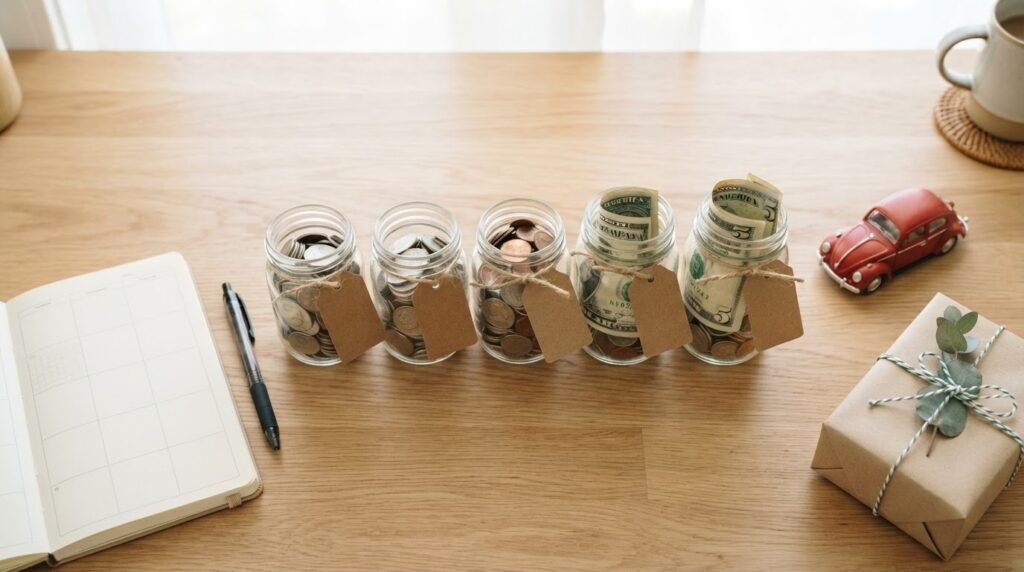
What is a sinking fund?
A sinking fund is a savings bucket with one job, one target amount and one deadline. If your car registration costs $240 every October, you save $20 a month in a “car registration” fund. In October, the money is there and your regular budget doesn’t feel a thing.
The term comes from corporate finance, where companies set aside money over time to repay a bond. For households, the idea is the same: you “sink” a little money in now so a big expense doesn’t sink your budget later.
Why sinking funds matter: the numbers
Large, irregular bills are common. In the Federal Reserve’s latest household survey, 59% of adults had at least one major unexpected expense in the previous 12 months. The most common were:
| Type of expense | Share of adults who had one |
|---|---|
| Major vehicle repair or replacement | 30% |
| Major house or appliance repair | 22% |
| Unexpected major medical expenses | 21% |
| Phone or computer repair or replacement | 18% |
| Legal expenses, taxes or fines | 10% |
The typical vehicle, home or medical bill cost between $1,000 and $1,999. You can’t know the exact week your car will need new brakes, but you can be sure it will need maintenance at some point. The average US household spent $984 on vehicle maintenance and repairs in 2024, according to the Bureau of Labor Statistics. That’s about $82 a month, a cost that is easy to plan for once you see it.
The alternative is expensive. Credit card accounts that pay interest were charged an average of 22.36% in the third quarter of 2026, according to the Federal Reserve. Put a $900 holiday bill on a card at that rate and pay it off over a year, and you’ll pay about $113 in interest. Save $75 a month in a sinking fund instead, and you pay nothing extra.
Sinking fund vs. emergency fund
They’re both savings, but they have different jobs. Keeping them apart is what makes each one work.
| Sinking fund | Emergency fund | |
|---|---|---|
| What it’s for | Expenses you can predict: gifts, registration, insurance premiums, maintenance, trips | True surprises: job loss, a medical emergency, an urgent repair you couldn’t plan for |
| Target amount | The cost of the expense | Three to six months of essential expenses |
| Deadline | Yes, the date the bill is due | No, it waits until you need it |
| Spending it | Expected; you spend it, then start again | Only in a real emergency, then refill it |
If your car registration comes out of your emergency fund every year, your safety net is quietly shrinking. Sinking funds protect it. If you’re still building that safety net, see our guide on how to build an emergency fund fast.
How to start a sinking fund in 5 steps
1. List your irregular expenses
Go through the last 12 months of bank and credit card statements and write down every cost that didn’t happen monthly. The Consumer Financial Protection Bureau’s annual planning tool helps here: it’s a 12-month calendar for marking when big or seasonal expenses come due.
2. Price each one and note the due date
Use last year’s amount as your starting point and round up a little for rising prices. If a cost is irregular, like car repairs, use an annual estimate.
3. Use the sinking fund formula
Monthly amount = total cost ÷ months until you need it
For example, a $600 back-to-school budget due in August, starting in September, is $600 ÷ 12 = $50 a month. Paid every two weeks? Divide the yearly total by 26 instead of 12.
Starting late? Use the catch-up version: amount still needed ÷ months left. If you want $900 for the holidays and start saving in March, you have nine months, so you need $100 a month.
4. Choose where to keep the money
Keep sinking funds out of your checking account, where they’re too easy to spend. See the options below.
5. Automate, spend and reset
Set up an automatic transfer on payday. When the bill comes, pay it from the fund, then start saving again for next year. If an expense costs less than planned, roll the extra into another fund.
A sample sinking fund plan
Here’s what a full set of sinking funds might look like for a household with a car and kids. Your amounts will be different, but the method is the same.
| Sinking fund | Yearly cost | Save each month |
|---|---|---|
| Holiday gifts and celebrations | $900 | $75.00 |
| Car registration | $240 | $20.00 |
| Car maintenance and repairs | $1,000 | $83.33 |
| Annual memberships and subscriptions | $180 | $15.00 |
| Back-to-school | $600 | $50.00 |
| Home and appliance repairs | $1,200 | $100.00 |
| Birthdays | $300 | $25.00 |
| Pet care and vet visits | $500 | $41.67 |
| Total | $4,920 | $410.00 |
That’s $410 a month, or about $189 per paycheck if you’re paid every two weeks. It may look like a lot, but this money was already being spent. Before, it arrived in painful lumps; now it’s planned.
The holiday figure isn’t random. In the National Retail Federation’s 2025 survey, shoppers planned to spend $890.49 per person on holiday gifts, food and decorations. For 2026, the NRF expects holiday sales to grow another 4.2%.
Common sinking fund categories
- Car: registration, maintenance, tires, insurance paid every six or 12 months, and a fund toward your next car. AAA estimates that a new car costs $12,863 a year to own and operate.
- Home: repairs, appliance replacement, furniture, renters or homeowners insurance, and property taxes if you pay them yourself. Saving for a first home? Check how much house you can afford before you set a down payment target.
- Health: deductibles, dental work, glasses and contacts.
- Family: back-to-school, kids’ activities and summer camp, birthdays, and childcare during school breaks.
- Celebrations: holidays, weddings, gifts and travel to see family.
- Personal: clothing, a new phone or laptop, and annual subscriptions.
- Fun: vacations, concerts and hobbies.
You don’t need all of them. Start with the three expenses that hurt the most last year, and add more as your budget allows.
Where to keep sinking funds
| Option | How it works | Good to know |
|---|---|---|
| High-yield savings account with “buckets” | Many online banks let you split one account into named goals | The easiest setup for most people; money stays separate from checking |
| Several separate savings accounts | One account per fund, each with a nickname | Very clear, but more accounts to manage |
| One savings account plus a spreadsheet | All the money in one place; a sheet tracks each fund’s balance | Works anywhere, but you must keep the sheet up to date |
| Cash envelopes | Physical cash for each category | Fine for small amounts; earns no interest and can be lost or stolen |
Whichever you choose, use a bank insured by the FDIC or a credit union insured by the NCUA. FDIC insurance covers $250,000 per depositor, per insured bank, for each account ownership category.
The interest rate matters more than you’d think. The FDIC’s national average savings rate was 0.39% in November 2026, while many online high-yield accounts pay around 4%. If your sinking funds hold $2,500 on average, that’s about $10 a year in interest at the average rate versus about $100 at 4%. Rates change often, so compare before you open an account.
How sinking funds fit into your budget
Treat each monthly sinking fund transfer like a bill. In the 50/30/20 rule, funds for needs like car repairs, insurance and school supplies belong in the 50% “needs” share. Funds for vacations, concerts and gifts belong in the 30% “wants” share. That keeps your 20% savings share free for your emergency fund, retirement and paying down debt.
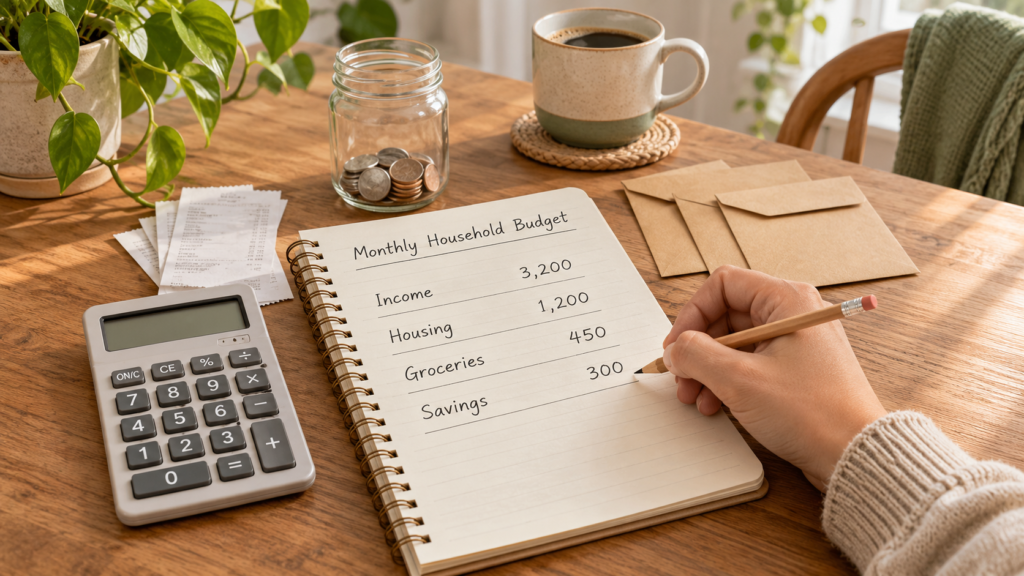
If you’re building your first plan, add sinking funds when you list your bills in our guide on how to make a budget for beginners.
6 common sinking fund mistakes
- Starting too many funds at once. Ten funds of $5 each feel pointless. Start with two or three that matter.
- Keeping them in checking. Money that sits next to your spending money gets spent.
- Using them for emergencies. If you raid the vacation fund for a medical bill, rebuild it quickly, then grow your emergency fund so it doesn’t happen again.
- Forgetting rising prices. Add a small buffer, such as 5% to 10%, to last year’s cost.
- Not resetting after you spend. The day you pay a bill from a fund, restart the transfer for next year.
- Treating a sale as a reason to spend. A sinking fund is for planned purchases, not for a deal you weren’t looking for.
Frequently asked questions
Is a sinking fund the same as an emergency fund? No. A sinking fund is for an expense you know is coming, with a set amount and date. An emergency fund is for surprises like a job loss or an urgent medical bill, and it should cover three to six months of essential expenses.
How many sinking funds should I have? Start with two or three for your biggest irregular costs, such as holidays and car maintenance. Many people end up with five to ten once their budget has room.
Do I need a separate bank account for each sinking fund? No. One high-yield savings account with named buckets, or one account plus a simple spreadsheet, works well. What matters is that the money is separate from checking.
Can I pay with a credit card and use the sinking fund to pay it off? Yes, if you pay the full statement balance by the due date. That way you can earn card rewards without paying interest. If you’d be tempted to carry a balance, pay from the fund directly.
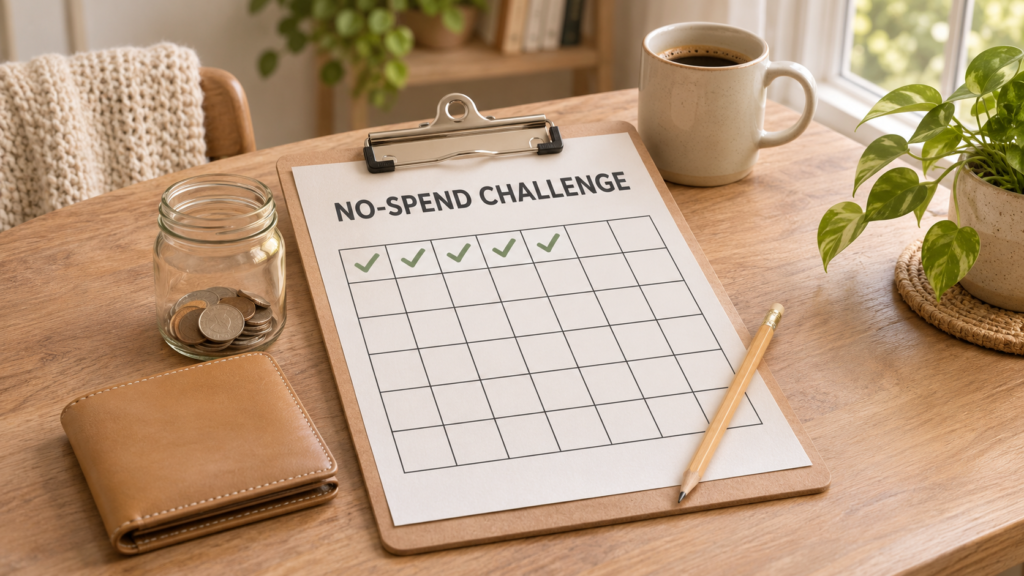
What if I can’t afford to save for everything? Prioritize. Fund needs like car repairs and insurance first, then add wants like travel. A no-spend challenge can also free up cash to give a new fund a quick start.
The bottom line
Sinking funds won’t make expenses smaller, but they make them predictable. List your irregular bills, divide each one by the months you have, and automate the transfers into a separate high-yield savings account. Next year’s holidays, car repairs and insurance premiums will feel like any other bill you’ve already paid.
Next steps: Make room for sinking funds with our beginner’s budget guide, and keep your true safety net separate as you build an emergency fund.
Sources
- Federal Reserve: Economic Well-Being of US Households in 2025, Economic Hardships (May 2026)
- Federal Reserve: G.19 Consumer Credit (November 6, 2026)
- US Bureau of Labor Statistics via FRED: Expenditures: Vehicle Maintenance and Repairs
- FDIC via FRED: National Rate: Savings (November 2026)
- FDIC: Understanding Deposit Insurance
- Consumer Financial Protection Bureau: Annual planning tool
- National Retail Federation: 2025 holiday survey and 2026 holiday forecast
- AAA: New vehicle ownership costs top $12,000 annually (September 15, 2026)
This article is for general education, not personal financial advice.
Pingback: How to Build an Emergency Fund Fast (Step-by-Step)
Pingback: How to Make a Budget for Beginners: 7 Simple Steps